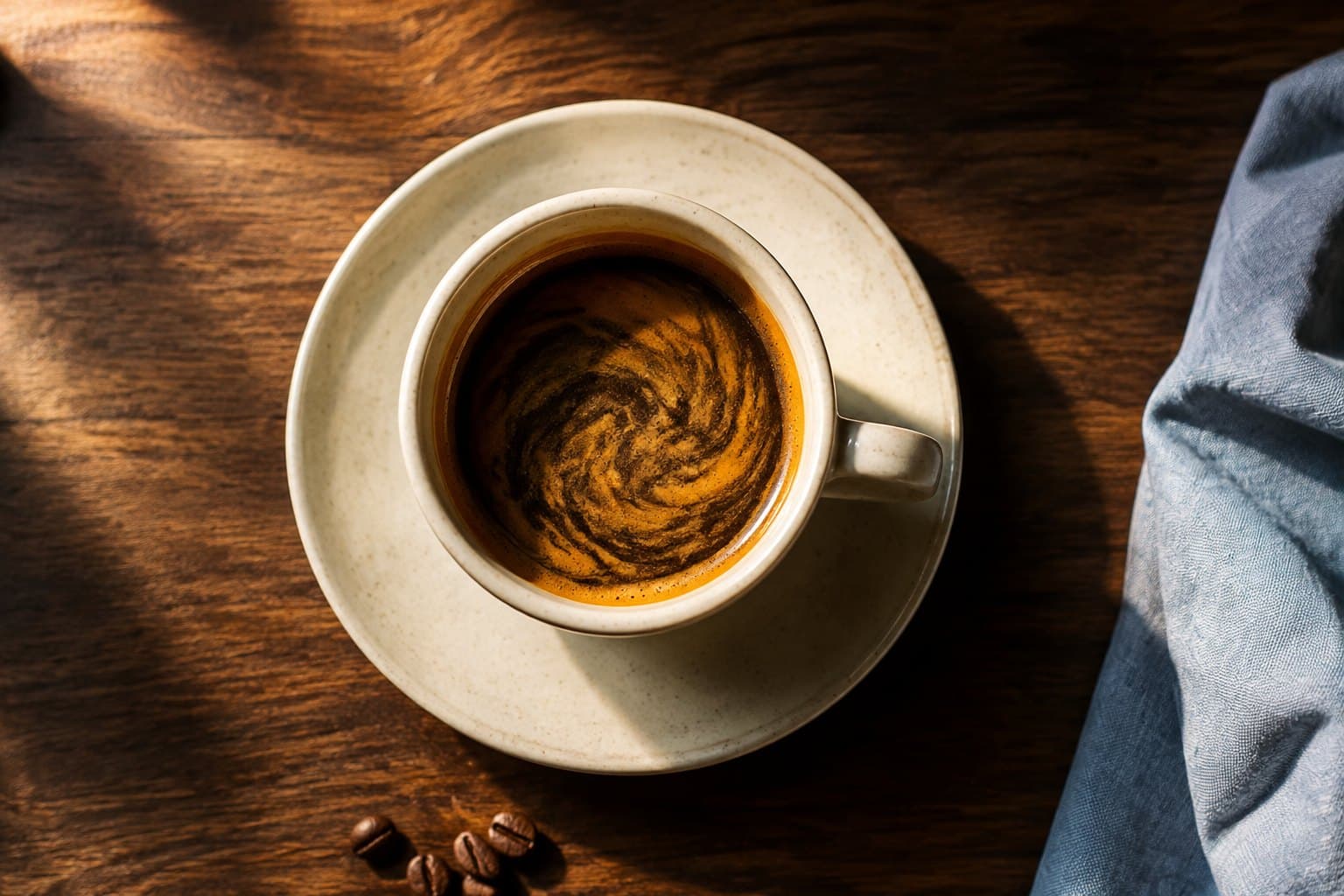
The beans arrive green,
and I roast them in my kitchen.
I learned to drink coffee in the United States, in winters that lasted longer than I had been told they would. The mornings there stayed dark until late, and the kettle and the grinder became the first sounds of the day, and I began to notice that the few minutes between the grind and the first sip were the only minutes I did not owe to anyone.
When I came back to India for good in 2024, I sold or gave away most of what I had gathered in those years. The habit came with me. It fit in a suitcase, and it turned out to be the thing I had carried the longest.
At home the habit grew. I bought a small roaster and set it between my desk and the kitchen, and I began to buy green beans from farmers in the coffee hills of Karnataka, a few kilos at a time, from people I had spoken to about their harvest. In the evening, when the day’s work is done, I roast. The beans go in pale and dry and they come out darker and lighter in weight, and the kitchen fills with a smell that is part bread and part smoke, and for twelve or fourteen minutes I watch the colour and listen for the crack and do nothing else.
I am one person with a roaster, and every bag that leaves this house has been watched through the drum by me. If a roast is wrong, it does not go out. If you write to me about your grinder or your moka pot or a shot that came out sour, I will write back, because I have made every one of those mistakes at this counter.
During the day I build software for India’s energy grid, and I write books, and I teach quantum computing to developers. Coffee is the part of the day that asks nothing of me except attention.
This journal holds what I notice along the way, and the questions I keep returning to.

Sayonsom
Community Contributions
My books
Resiliency of Power Distribution SystemsWrite to me
If you have a question about a roast or your brewing, write to me here. I read every note and reply myself.
chanda.sayonsom@gmail.comLinkedIn